Mold Remediation Help in Pacific, MO
See a dark patch or smell something musty? Keepscurrent Mold Help connects you with local mold providers, explains your options in plain words, and helps you request a written estimate.
- Plain-English guide to your mold options
- Independent local providers
- Written quotes to compare
- No obligation to hire
Our Services
Most mold jobs fit one of three paths. Pick the one that matches where you are now. Not sure? Start with the first look. A provider can point you to the right next step.
Mold RemediationMold remediation means finding mold, containing it, removing it, and fixing why it grew in your home.Mold Inspection & TestingA mold inspection shows what is growing, where it is, and why, so you can pick the right next step.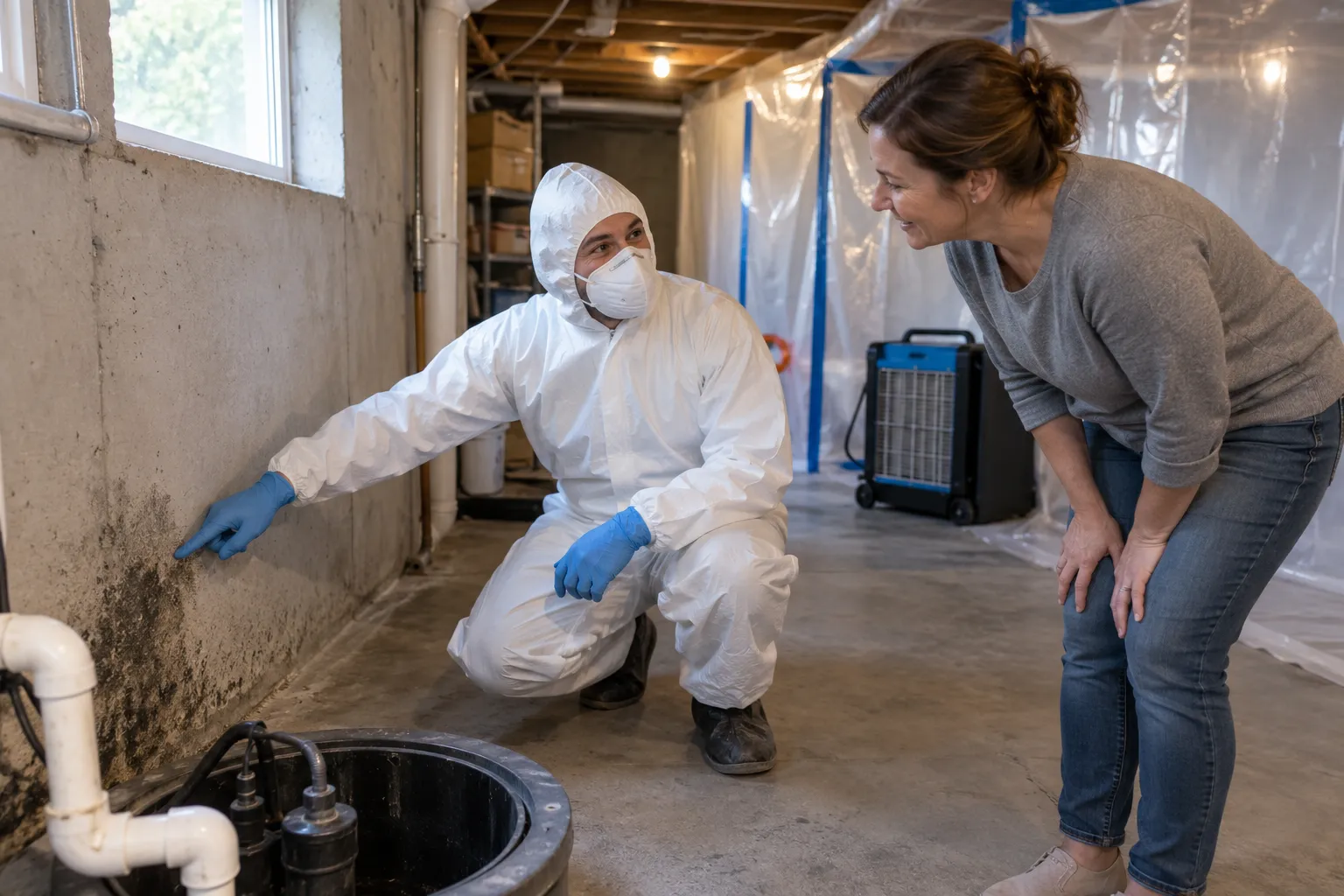 Black Mold Removal ServicesBlack mold removal is a job for trained providers, and we link you with independent ones nearby.
Found Mold? Start With the Facts
You spot a dark patch on the wall. Or the basement smells musty. Take a breath. Mold is common, and it can be handled. The first step is to learn what you have and how far it has spread.
Keepscurrent Mold Help helps homeowners in Pacific and the Pacific area do just that. We are a referral service. We do not do the work ourselves. We connect you with independent mold providers in our network. They inspect, test, and remove mold.
Here is the simple path. You tell us what you see. A local provider looks at your home. You get a plan and a written quote. Then you choose what to do next. Nobody pushes you.
Many people type mold inspection near me into a search box and feel lost by the results. The offers sound alike. The prices swing wide. This site gives you plain facts so you can ask good questions.
Start with a quick request. It takes about a minute. If you like to talk first, use the phone as a backup.
Request a callback to check provider availability. Hours vary by provider.
How It Works
What Keepscurrent Mold Help does
Keepscurrent Mold Help is a matchmaker, not a contractor. You share a few details about your home and the problem. We pass your request to a local provider in our network. The provider contacts you and sets up a visit.
We do not do inspections. We do not test. We do not remove mold. Independent providers do that work, and they set their own prices and schedules.
Your likely next steps
1. Share what you see. Note the spot, the smell, and any past leaks. 2. Get a visit. A provider checks the area and looks for the water source. 3. Decide on testing. Sometimes a look is enough. Sometimes samples help. 4. Review a written quote. It should list the work, the area, and the price. 5. Choose. Say yes, ask more questions, or get a second quote.
What we ask of you
Be honest about what you know. Tell the provider about floods, roof leaks, or damp spots. Ask questions. A good provider will explain each step in plain words.
What you can expect from us
Clear info. No pressure. No hidden steps. You stay in charge of every choice. Hiring a provider is always your call, and a request does not bind you to anything.
Where Providers Work Locally
Providers in our network serve Pacific and the Pacific area. Homes here face real moisture stress. Winters are cold, and deep frost can crack foundations. Summers turn hot and humid. Spring can bring flooding. Strong thunderstorms and hail can damage roofs and let water in.
Many local homes have full basements with sump pumps. If a pump fails, water sits and mold can follow. Older frame houses may have tiny gaps where damp air creeps in. Bungalows and ranch homes often have crawl spaces or small attics that hold moisture.
All of this is why local know-how matters. A provider who works in MO homes every week knows the usual trouble spots. They know where to look first.
Tell us your town and what you see. We will pass your request to a provider who serves your part of Missouri.
Coverage varies by provider, so ask about your address when they reach out.
What Homeowners Ask Before Hiring
Know your options before work starts
Mold jobs are not all alike. A small spot on a bathroom wall is a different job than damp drywall after a flood. Learn the main choices first. Then a quote will be easier to read.
Option one: a visual check
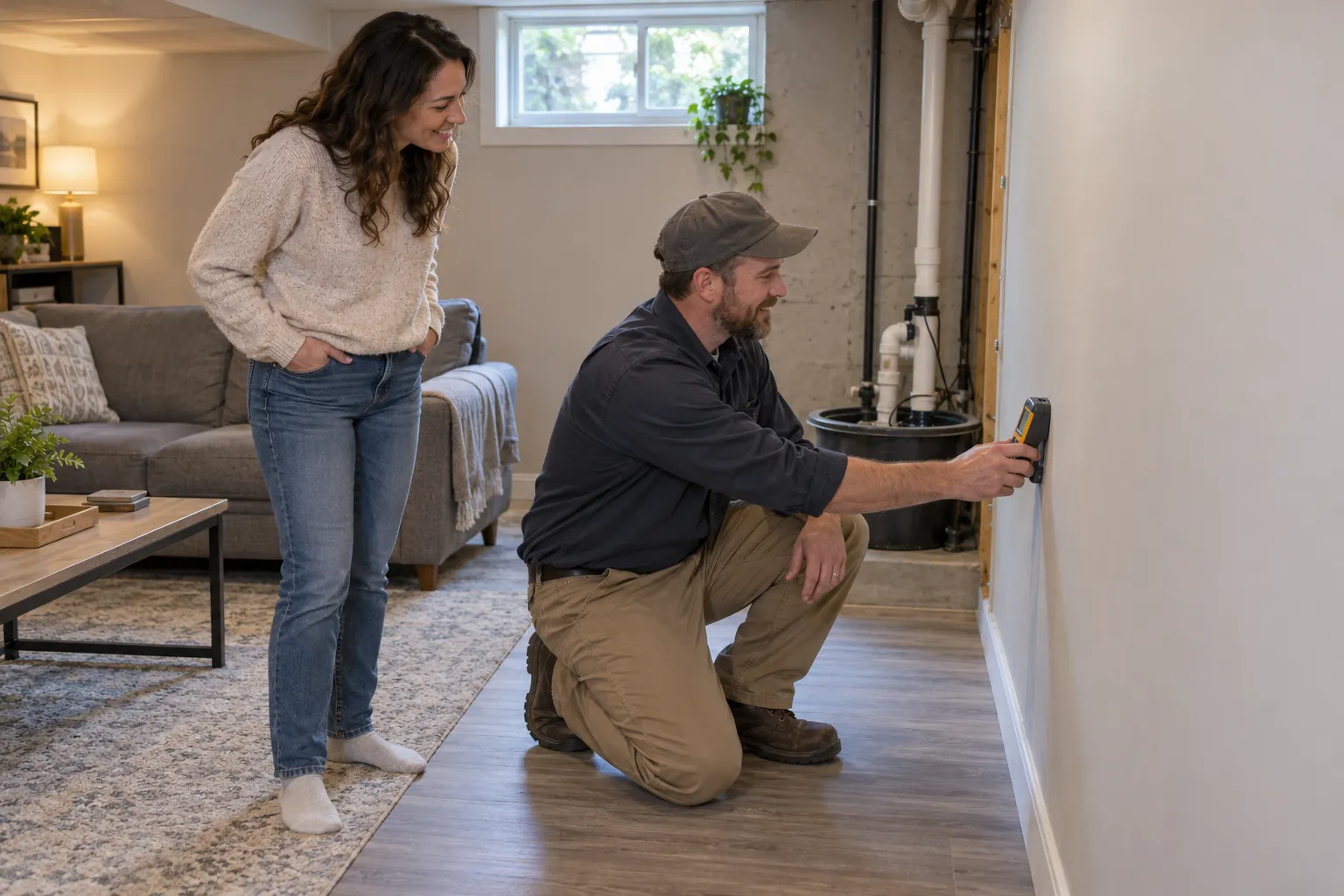
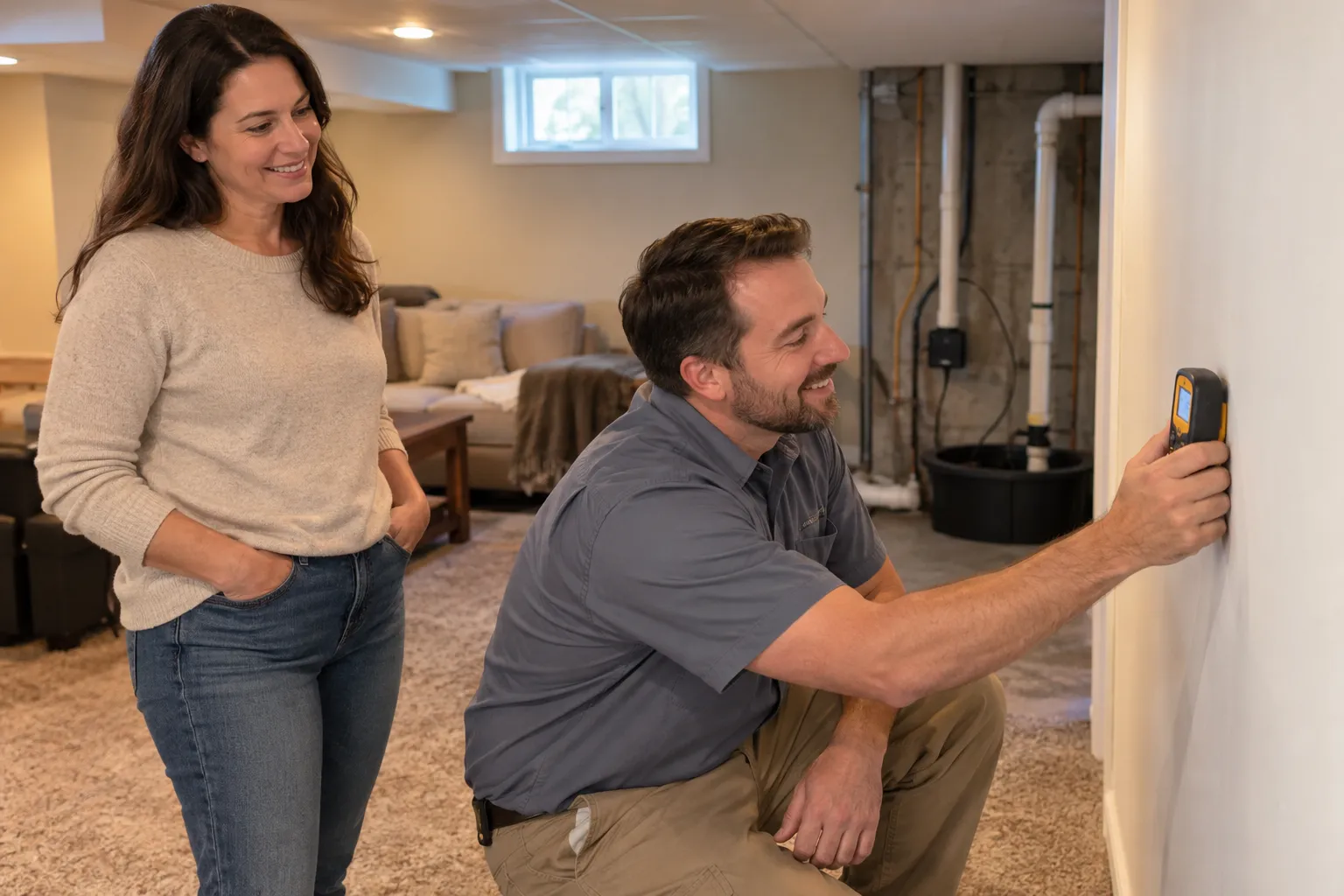
A provider looks at the area, often with a moisture meter. That is a tool that reads how wet a surface is. This can show where the water came from. Sometimes a look is all you need.
Option two: testing
Testing means taking air or surface samples. A lab reads them. Some homeowners want certified mold testing so the results come from a trained person using proper methods. Ask each provider what training they hold and what the lab report will show.
Option three: remediation
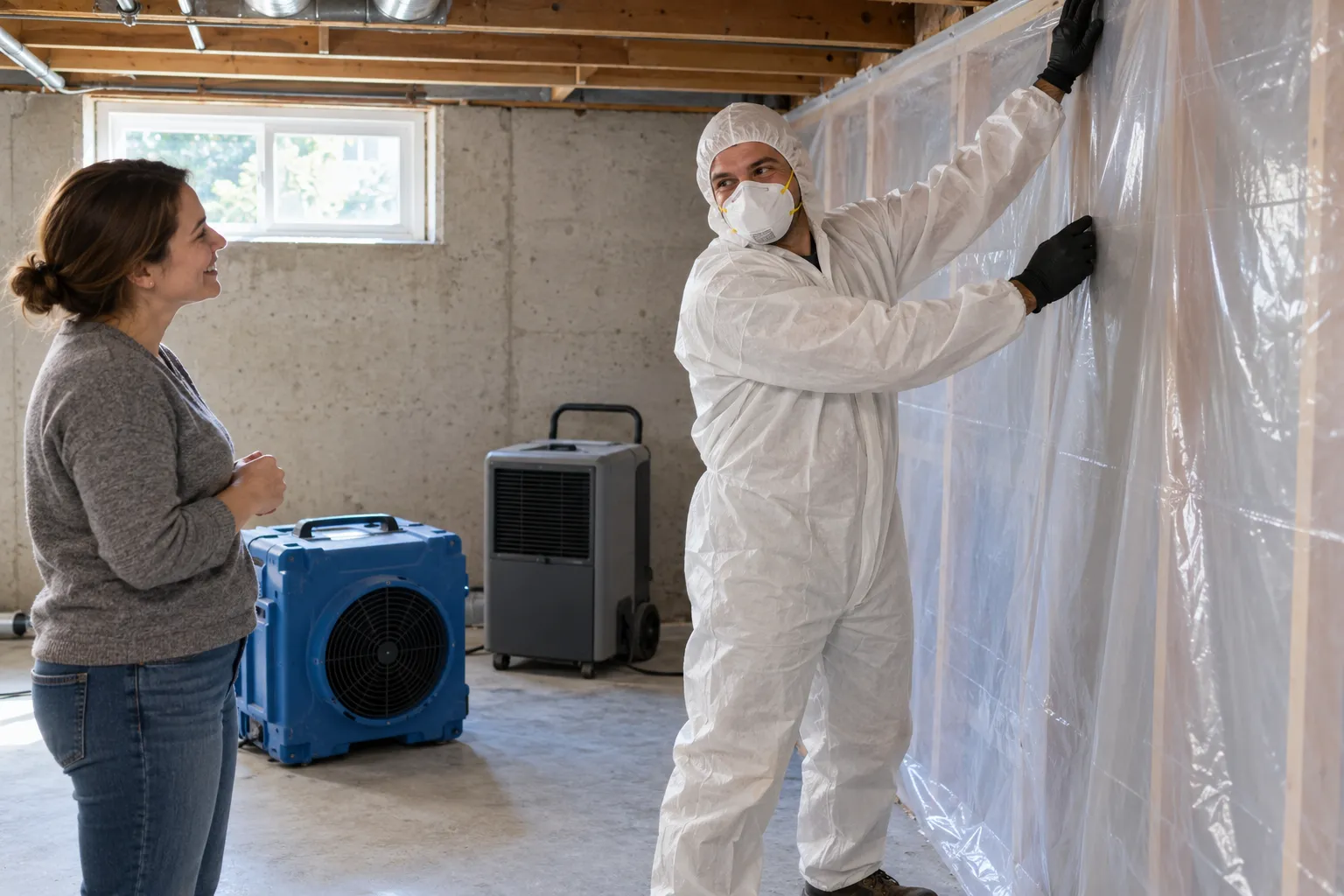
Remediation means removing mold and fixing the damage. Providers seal off the area, clean or remove affected material, and dry things out. Residential mold removal can be a small job or a large one.
What about black mold?
"Black mold" is a common name for dark mold. Color alone does not tell you how risky it is. A provider can check. If you need black mold remediation, ask how they will keep spores from spreading.
What drives the price
Size of the area matters most. So does the material. Drywall costs more to replace than tile costs to clean. Hard-to-reach spots, such as crawl spaces, add labor. Testing and repairs add to the total.
Typical U.S. cost ranges
These ranges vary by job. Inspections often run a few hundred dollars. Lab samples add more. Small removal jobs may cost several hundred to a few thousand dollars. Larger jobs can reach well into five figures.
Why a written quote matters
A written quote lists the work, the area, and the price. It keeps everyone on the same page. Get more than one if you can. Ask what is not included.
Insurance and paperwork
Some policies may cover sudden damage, such as a burst pipe. Slow leaks are often treated differently. Check your policy. Providers can often help document damage for a claim.
Fix the moisture first
Mold comes back if the water source stays. Leaks, poor drainage, and humid air all feed it. A good plan deals with the cause, not just the stain.
Ask for an Estimate
Ready to take the next step? Send a short request. Tell us what you see and where it is. A local provider can then reach out to talk about your options and give you a written quote.
Prefer the phone? Request a callback to check provider availability. Either way, you are under no obligation.
Need help in Pacific?
Send a quick request to compare options and get a written quote from a local provider. Prefer to talk? Request a callback to check provider availability.
No obligationWhy Choose Keepscurrent Mold Help?
Plain answers, no jargon
Every term gets a short, simple meaning. You will know what a provider is talking about before you agree to anything.
Local providers
Providers in our network work in your area. They know the climate, the housing, and the common trouble spots.
Quotes in writing
Ask for a written quote that lists the work, the area, and the price. That makes it easy to compare offers fairly.
Your choice
A request is not a contract. You decide whether to hire, wait, or get another opinion.
Mold Questions, Plain Answers
How do I find mold inspection near me?
Send a request through Keepscurrent Mold Help. We pass it to an independent provider in our network who serves your area. The provider contacts you to set up a visit. You can then compare their written quote with others.
Do I need certified mold testing?
Not always. Sometimes a careful look finds the problem. Testing helps when you cannot see mold but smell it, or when you want proof. Ask providers what training they hold and what the lab report will show.
How much does mold remediation cost?
It varies by job. In the U.S., small jobs may cost several hundred to a few thousand dollars. Large jobs can cost much more. Size, material, and access all matter. Always get a written quote before work starts.
Is black mold more dangerous than other mold?
Color alone does not tell you the risk. Many molds look dark. A provider can inspect and test if needed. If you need black mold remediation, ask how they will contain spores.
Will my insurance pay for mold removal?
It depends on your policy and the cause. Some policies may cover sudden damage, like a burst pipe. Slow leaks are often treated differently. Check your policy. Providers can often help document damage for a claim.
Keepscurrent Mold Help Is Proud To Serve the Pacific area
Tell us what happened
Send a quick request to compare options and get a written quote from a local provider. Prefer to talk? Request a callback to check provider availability.
No obligation